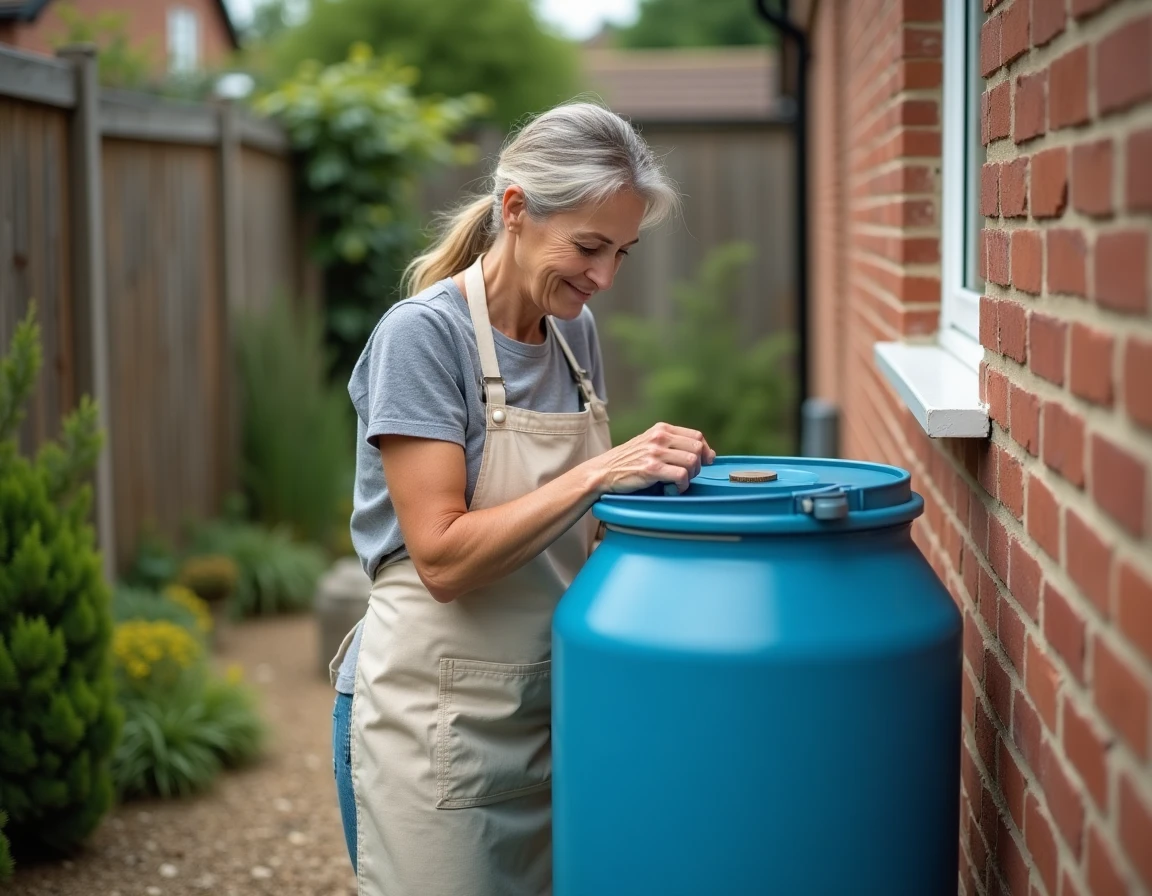
Rainwater stored in an opaque, closed tank does not degrade at the same rate as water left in a translucent container under a garden shed. The determining variable remains the initial organic load and the storage temperature.
A well-sized container, shielded from light and kept below 15 °C, maintains usable water for non-potable uses for several months. The same volume exposed to summer heat develops a biofilm in just a few days.
Kinetics of microbiological degradation in a rainwater harvesting tank
Bacterial proliferation in stored rainwater follows a predictable curve. During the first few hours, the water remains almost sterile if the collection surface (roof) has low organic matter. After 48 hours, even in a closed container, heterotrophic bacteria colonize the volume, nourished by residues of leaves, pollen, or bird droppings trapped upstream of the filter.
Temperature accelerates this process exponentially. Below 10 °C, bacterial multiplication remains slow, and the water retains its properties for irrigation or cleaning for several weeks. Above 20 °C, a microbial veil can appear on the surface as early as the fifth day. Buried tanks, naturally kept at a constant temperature by the soil’s inertia, offer a decisive advantage over above-ground tanks in this regard.
The opacity of the container plays a complementary role. A translucent vessel allows enough light to trigger the photosynthesis of microscopic algae, which then produce organic matter, in turn feeding the bacteria. We systematically recommend opaque high-density polyethylene (HDPE) or concrete tanks, which break this cycle.
To properly treat and store rainwater, upstream filtration of the tank (leaf filter, then fine mesh filter at the tank’s inlet) remains the first line of defense: it reduces the initial organic load and significantly pushes back the degradation threshold.
Home rainwater treatment: effective methods and regulatory limits
Rainwater is classified as unfit for human consumption (EICH) by French regulations, regardless of the treatment applied by an individual. Decree 2008-652 strictly regulates authorized uses: toilet flushing, floor washing, garden watering. Food use, including dishwashing, remains prohibited in the absence of an approved treatment connected to a declared network.
Technically, three treatment approaches coexist among individuals:
- Sequential mechanical filtration: a leaf pre-filter followed by a sediment filter (between 5 and 25 microns) removes suspended particles. This system does not treat bacteria or chemical pollutants, but it prevents clogging of pumps and extends the useful storage duration.
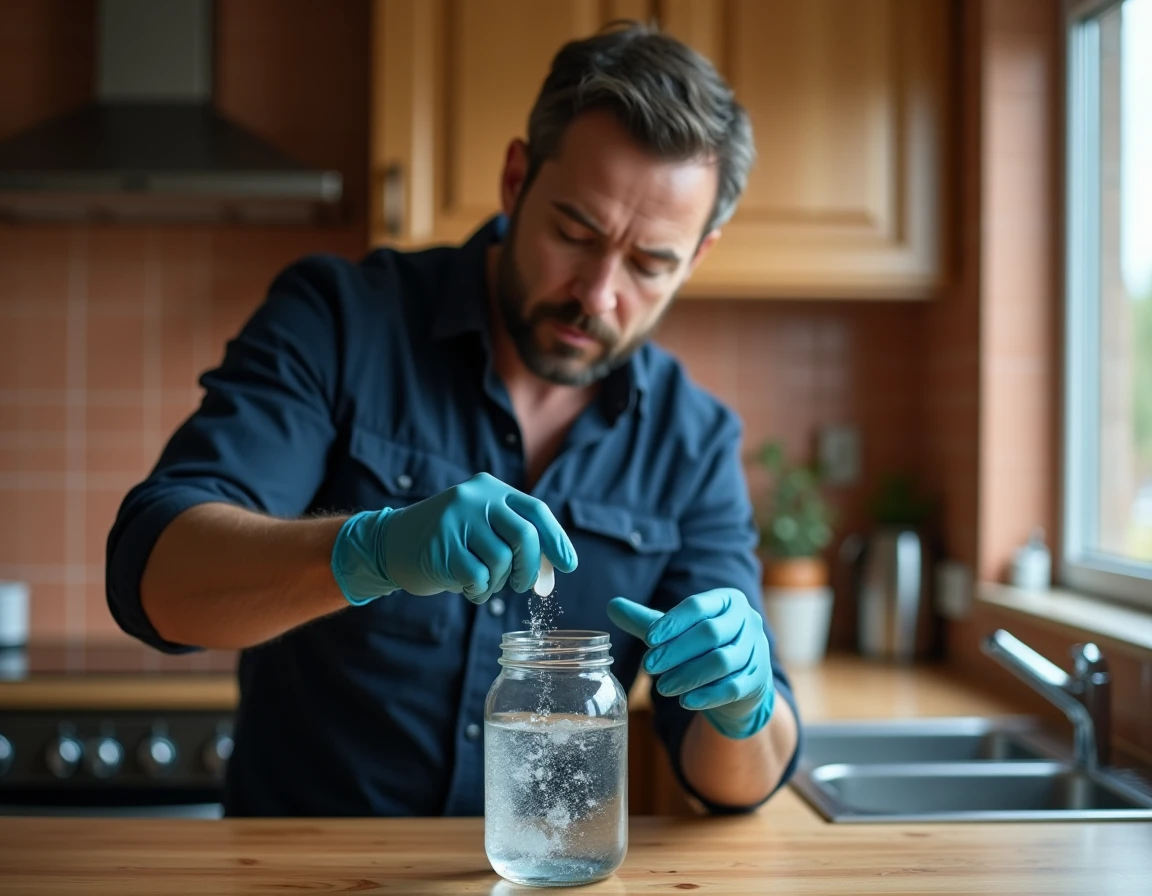
- Chemical treatment with biocidal products: major DIY retailers offer products formulated for harvesting tanks (like Epur), with standardized dosages. Active oxygen or hydrogen peroxide are the most common active ingredients. Their effectiveness depends on the water’s pH and the regularity of applications.
- UV disinfection: an ultraviolet reactor installed at the tank’s outlet neutralizes almost all microorganisms. This system leaves no chemical residue in the water, but it requires a calibrated flow rate and regular lamp replacement to maintain its effectiveness.
None of these treatments, used alone, make the water compliant with drinking water standards. For non-potable domestic use, the combination of mechanical filtration and periodic biocidal treatment covers the majority of needs.
Buried or above-ground tank: impact on storage duration
The choice of storage type directly conditions the frequency of treatment and the effective storage duration.
Buried tanks in concrete or HDPE
A buried tank benefits from a stable temperature year-round, generally between 8 °C and 14 °C depending on depth and region. This thermal stability slows bacterial proliferation and limits algae growth. Concrete, slightly alkaline, exerts a buffering effect on the acidic rainwater’s pH, which reduces corrosiveness and improves the sedimentation of fine particles. In return, maintenance requires complete draining and cleaning at least once a year.
Above-ground harvesters
Surface tanks (300 to 1,000 liters) are subject to seasonal variations. In summer, the water can exceed 25 °C within hours of direct sunlight, even in an opaque harvester. The useful storage duration then drops to just a few days without treatment. We observe that positioning the harvester to the north of the building significantly extends the storage duration during the summer.
Declarative obligations and local regulatory developments
Any harvester connected to the internal network of the dwelling must be declared at the town hall, specifying the type of installation and the intended uses. A dedicated meter is mandatory to calculate the sanitation fee on the volumes of rainwater discharged into the wastewater network.
Since 2025, some communities have accelerated the distribution of this equipment. The public management of Grand-Orly Seine Bièvre offers the free provision of a 350-liter harvester with a complete kit to residents of single-family homes or ground-floor apartments, a campaign extended into 2026 until stocks are exhausted. Furthermore, several local PLUs are beginning to consider equipment obligations for harvesters in new constructions, following the model of existing constraints on limiting rainwater discharge into the network.
These developments reflect a gradual tightening. Anticipating by installing a system compliant with Decree 2008-652 (physical disconnection between the drinking water network and the rainwater network, “non-potable water” signage at each withdrawal point) avoids costly compliance measures in the long term.
The storage duration of rainwater depends less on the volume stored than on three manageable parameters: temperature, container opacity, and upstream organic load. An underground, opaque tank fed by double filtration maintains usable water for several months without intervention. An above-ground harvester in full sun requires weekly treatment during the hot season. Adapting the maintenance protocol to the type of installation remains the only reliable approach.