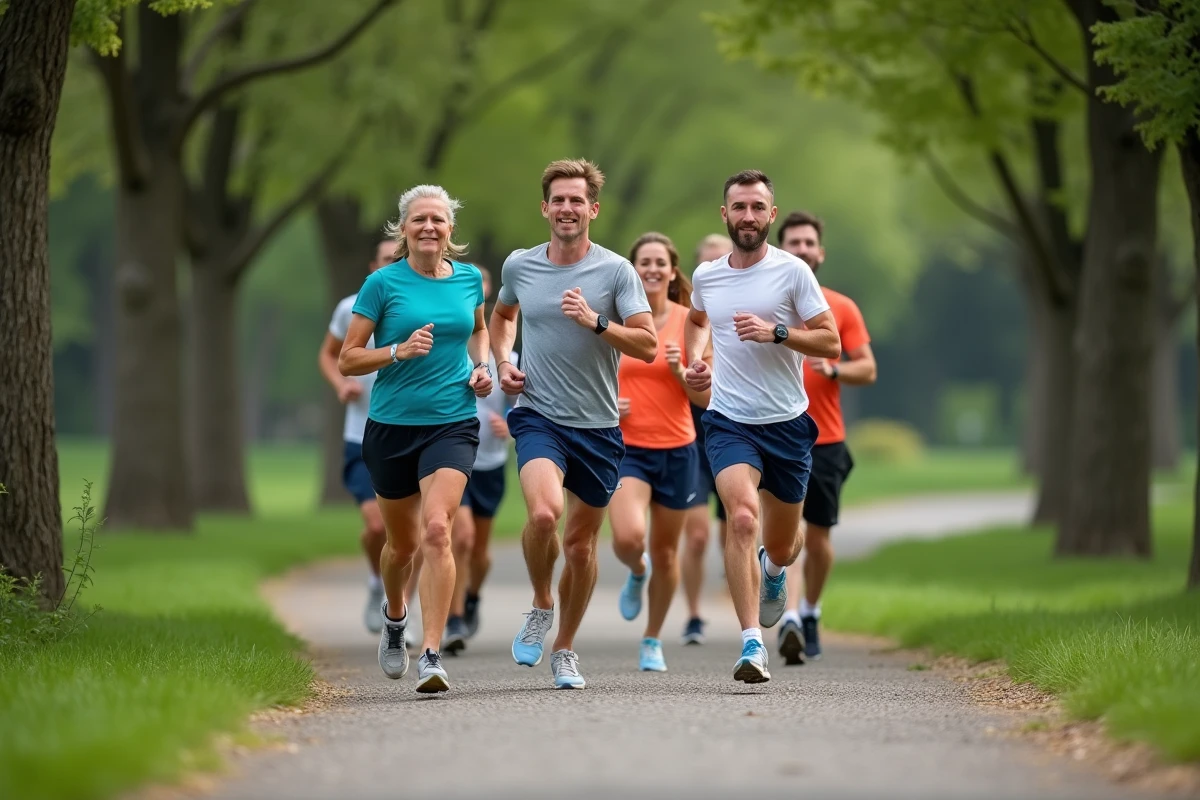
One third of adults drastically reduce their level of physical activity during the winter, according to the World Health Organization. However, the temporary cessation of exercise multiplies the risks of chronic fatigue, sleep disorders, and mood alterations.
Some sports disciplines, often neglected or misunderstood, actually offer specific benefits to counter these seasonal effects. The diversity of practices allows for adapting the effort to physical condition, age, and available time, while maximizing the effects on overall health.
Why winter is the ideal season to resume physical activity
Winter does not spare the body: low light, falling temperatures, and a slowing pace of life. However, reconnecting with physical activity during this time acts as a real boost to regain energy and strengthen inner balance. The body, faced with these new constraints, has everything to gain from moving more. Each session supports the immune system, stimulates metabolism, and helps keep inflammatory phenomena that undermine morale and vitality under control.
Research is clear: exercise triggers the production of neurotransmitters such as endorphins, dopamine, adrenaline, and serotonin. These chemical messengers play a decisive role in mood and stress management, two sensitive points when light declines. When energy wanes and the temptation to stay home sets in, it is often the lack of activity that fuels the spiral of fatigue and demotivation. Moving, even a little, reignites the virtuous circle: renewed enthusiasm, reduced tension, and a desire to get moving again.
By engaging in a sport suited to the season, one can also maintain their figure or regain a healthy weight. The body expends more energy to maintain its temperature, which amplifies the effect of each effort. The benefits do not stop there: memory, concentration, and intellectual abilities also benefit from this renewed dynamic.
For those wishing to delve deeper into this approach and benefit from personalized advice, visiting the Sport et Form website is a recommended step. It offers precise resources to support progress, season after season.
Which sports activities to prioritize to strengthen body and mind when it’s cold?
Walking, even under a leaden sky, remains one of the most accessible ways to get the body moving again. Its Nordic version, with poles, activates the entire musculature, particularly the back and arms, without straining the joints. It is an ideal entry point for those who want to regain energy without imposing overly strenuous efforts.
For those aiming for a more intense activity, fitness, rowing, or cycling are excellent options. These disciplines work on endurance, improve overall physical condition, and help with weight management. Running enthusiasts find in running a reliable ally to boost their cardio and release tension. In the pool, swimming stands out: in addition to being gentle on the joints, it strengthens the body gently, supports memory, and promotes good mood. It is now known that aquatic activity stimulates neurogenesis, which is significant for keeping the mind sharp.
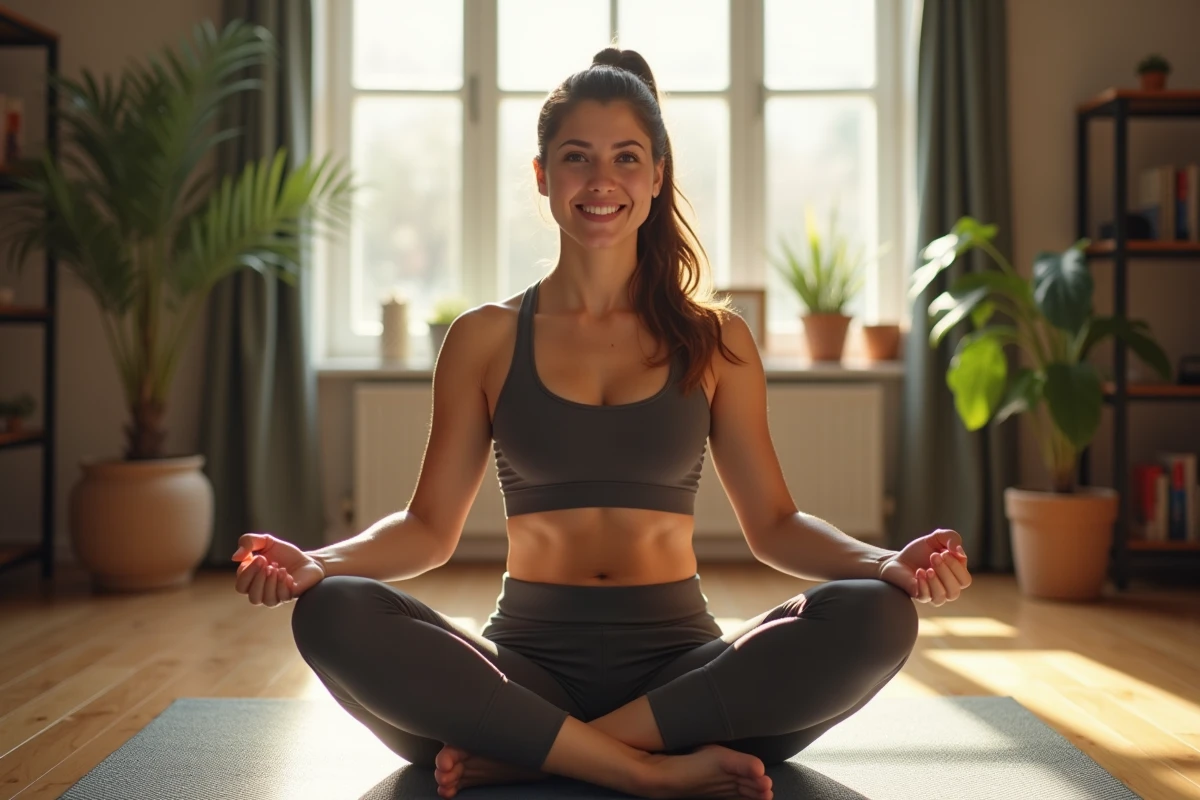
Gentle activities also have their virtues. Yoga, Pilates, Qi Gong, or floor barre offer deep work, improving posture, enhancing flexibility, and soothing stress. Pilates, designed by Joseph Pilates, focuses on deep muscles, which is particularly beneficial for people prone to joint pain or sensitive backs.
Strength training also finds its place in this landscape: it helps preserve cognitive abilities and strengthen physical strength, valuable assets for getting through the cold season in good condition. No matter the chosen discipline, each practice, if adapted to the winter period, contributes to better overall health. Winter then becomes a favorable ground for reconciling body and mind.
Practical tips for adopting a sports routine suited to your profile
Establishing a sports routine that aligns with your desires, abilities, and daily life is the key to maintaining it over time. Whether you are a beginner, getting older, or already an experienced athlete, the essential thing is to choose activities and the frequency of sessions considering your physical reality. Focusing on gradual progression limits the risk of injury and helps preserve enjoyment without straining the joints.
Here are some guidelines to establish good habits and vary your pleasures:
- Choose appropriate equipment: gym mat for floor work, treadmill for walking or running at home, mini fins for aquapalming, bungy pump poles to energize walking. Choosing the right gear simplifies practice and encourages regularity.
- Join a hiking club, a sports association, or a specialized studio: being guided by professionals allows you to learn the right moves and progress safely.
- Alternate online sessions and free practice. Remote classes offer diversity, which helps maintain motivation, even when the weather or schedule interferes.
Do not neglect recovery between sessions. This downtime limits overload, protects against injuries, and gives muscles time to strengthen. Listen to your body, adjust the intensity at each stage, and ensure proper breathing. To last, it is better to focus on exercises compatible with your joints and experience rather than aiming too high too quickly. Thanks to the variety of sports and gentle approaches, everyone can establish a positive rhythm for body and mind, week after week.
Winter will not have the last word: every movement, every effort, every return already sketches the silhouette of a more vigorous spring.