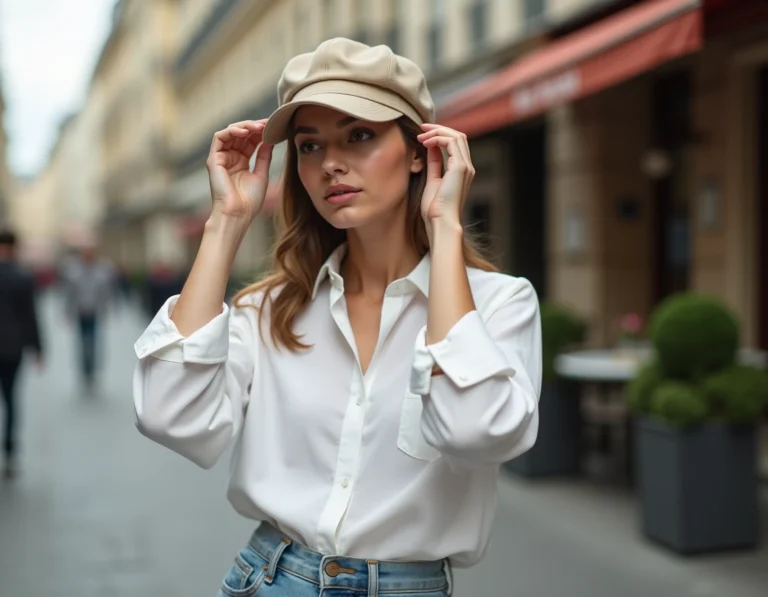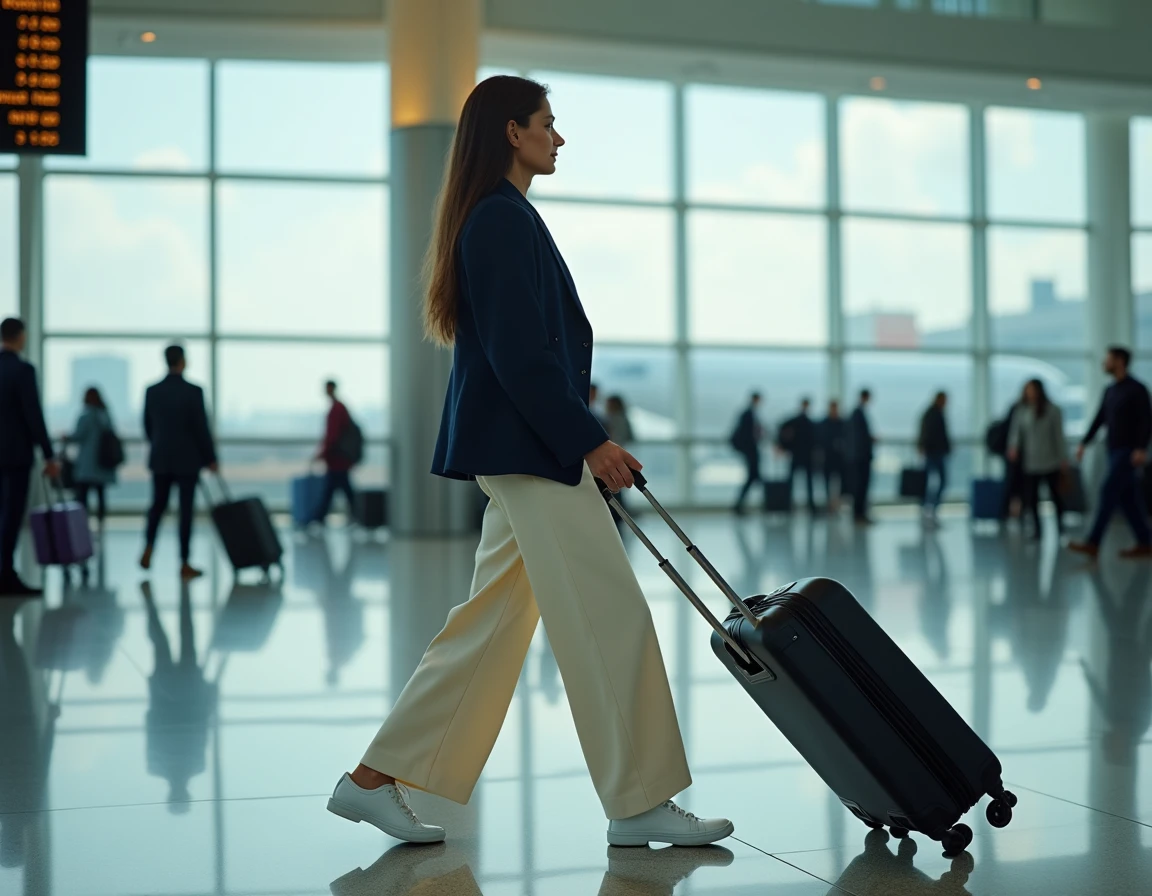
Creating a travel wardrobe that works from the airport terminal to the restaurant in the evening presents a concrete problem of textile logistics. The challenge lies not in the number of pieces packed, but in their ability to transition through different contexts without losing style or comfort.
Discreet technical fabrics: the true selection filter for traveling in style
Most travel fashion guides focus on cuts and colors. However, the choice of materials remains the factor that determines whether an outfit survives a day of transit without looking like a crumpled rag upon arrival.
Synthetic fibers from the outdoor wardrobe (polyamide, blended merino, elastane) offer properties that cotton or linen cannot provide in travel situations: wrinkle resistance, quick drying, and thermal regulation. The issue is their appearance. A technical hiking pant remains identifiable as such, even in a straight cut.
Several brands positioned in the hiking segment now offer urban cuts with breathable fabrics. It is on globe-modeuse.com that one can find this type of cross-selection between technical wardrobe and feminine codes. The boundary between outdoor clothing and city wear is narrowing, but it remains visible in certain details: patch pockets, contrasting seams, visible technical logos.
To remain credible in an urban context or at dinner, the fabric must be matte and the cut structured. A stretch polyamide cigarette pant works everywhere. The same fabric in a cargo cut will not make it through the door of a restaurant in Milan.
Airplane capsule wardrobe: how many pieces are actually enough
The capsule approach is a recurring theme in all content on the subject. The principle is simple: bring a limited number of pieces that can be combined with each other. The difficulty lies in the calibration.
Too few pieces, and the rotation becomes noticeable after three days. Too many pieces, and the luggage grows to the point of losing the initial advantage. Field feedback varies on this point depending on the length of stay and the destination climate.
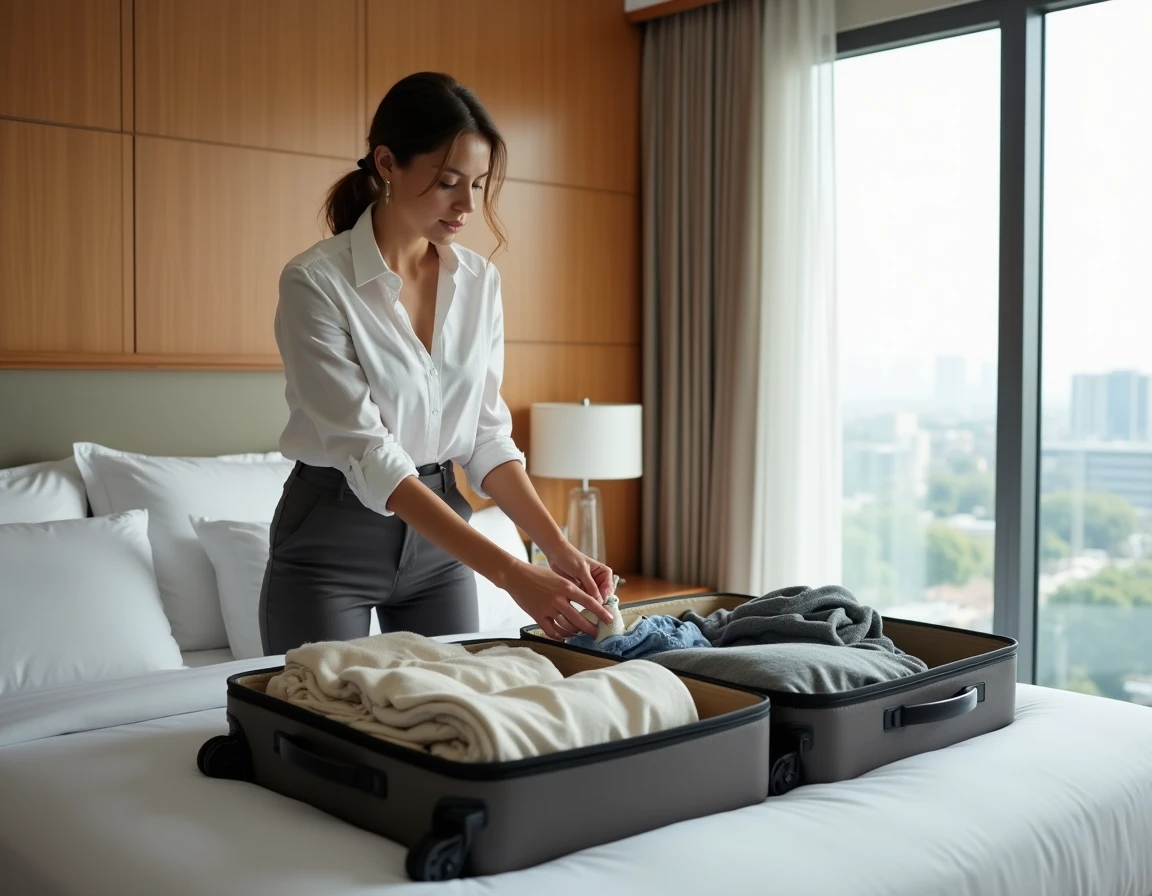
A functional base for a week-long trip in a temperate climate can be structured around a few categories:
- Two neutral bottoms (one dress pant, one dark jean, or a midi skirt) that pair with all the tops in the bag
- Three tops in different materials: one long-sleeve for cool evenings, one short-sleeve for the day, a shirt or slightly dressy top for the evening
- An intermediate layer like a thin cardigan or unlined blazer, light enough to wear on the plane without taking up space in the suitcase
- A pair of versatile flat shoes and a slightly dressy pair, if the itinerary requires it
Wearing the bulkiest piece during the flight remains the most effective method to save space in carry-on luggage. The blazer or jacket is worn, not folded.
Cultural constraints and local dress codes: what fashion guides overlook
One aspect rarely addressed in travel fashion content concerns the dress requirements related to destinations. Traveling in style does not mean the same thing in Tokyo, Marrakech, or Stockholm.
In some countries, bare shoulders or visible knees restrict access to religious or cultural sites. In Sri Lanka, for example, temples require covering arms and legs. In Southern Italy, certain churches refuse entry in shorts.
Bringing a wide scarf or light shawl resolves most of these situations without adding bulk to the bag. This piece also serves as a style accessory at the restaurant or protection against the aggressive air conditioning of airports.
Adapting the palette to the climatic context
Neutral tones (black, navy, beige, off-white) facilitate combinations between pieces, but they are not suitable for all environments. In very sunny destinations, dark colors absorb heat and quickly become uncomfortable.
In contrast, in autumnal European cities, a dark palette appears natural and requires less visual maintenance (stains, dust). The choice of palette depends as much on the climate as on the itinerary: visits to air-conditioned museums, outdoor walking, evenings on terraces.
Travel accessories and jewelry: added value or dead weight in the bag
Accessories occupy an ambiguous place in luggage. A scarf, a pair of earrings, or a belt can transform a basic look into a dressed-up outfit. The risk is accumulating “just in case” items that weigh down the suitcase without being worn.
The most reliable rule is to only bring accessories worn from day one. A piece of jewelry that sits at the bottom of the bag for five days did not belong in the luggage.
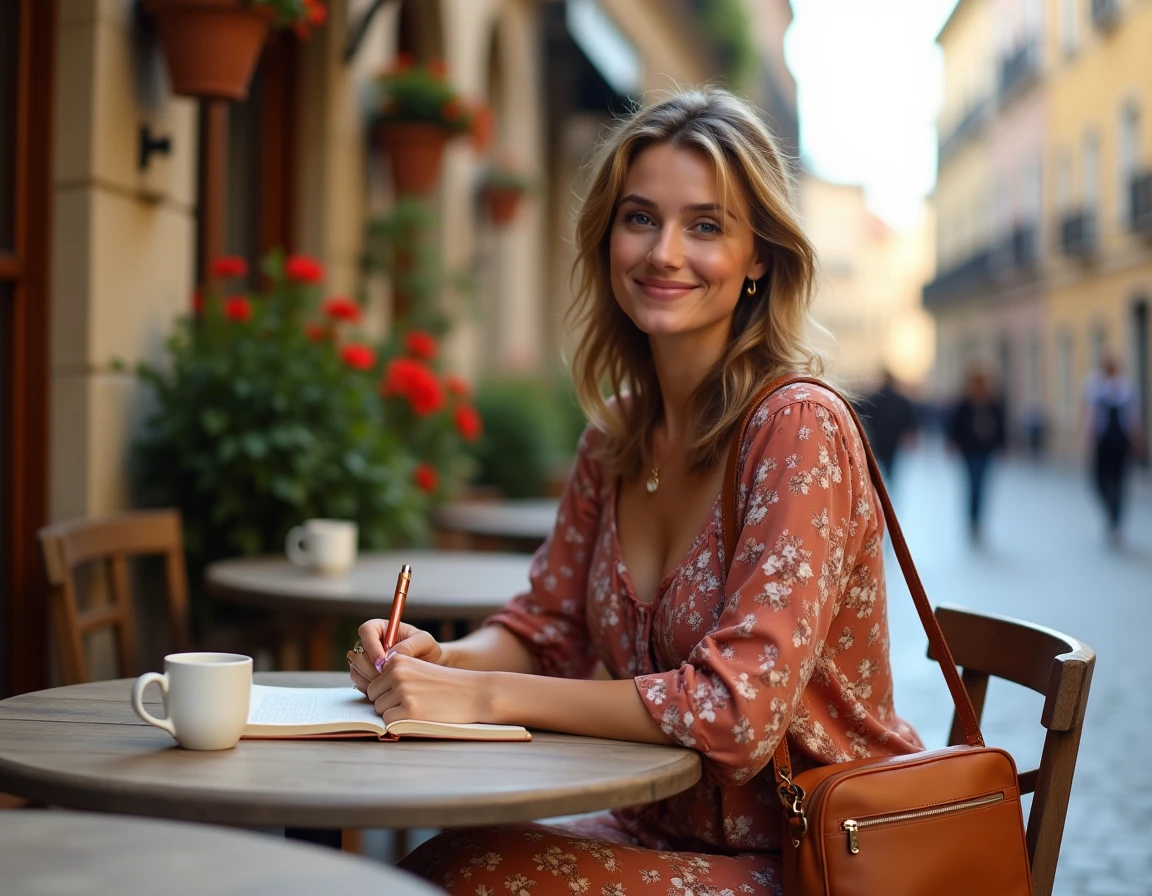
- An intermediate-sized handbag (large enough for the day, understated enough for the evening) replaces two specialized bags
- A discreet watch or bracelet adds a dressed-up touch without taking up space
- Bulky costume jewelry poses security issues at checkpoints and fragility in the bag
One well-chosen accessory dresses up more than an accumulation of average pieces. The scarf remains the most versatile piece: sun protection, shoulder cover, headband, improvised belt.
Traveling elegantly relies less on the quantity of clothing than on the compatibility between each piece in the bag. A coherent travel wardrobe is based on materials suited for transit, cuts that transition through contexts, and attention to the dress codes of the destination. The scarf in the bag, the blazer on the shoulders, the shoes on the feet: three decisions made before departure that change the entire trip.