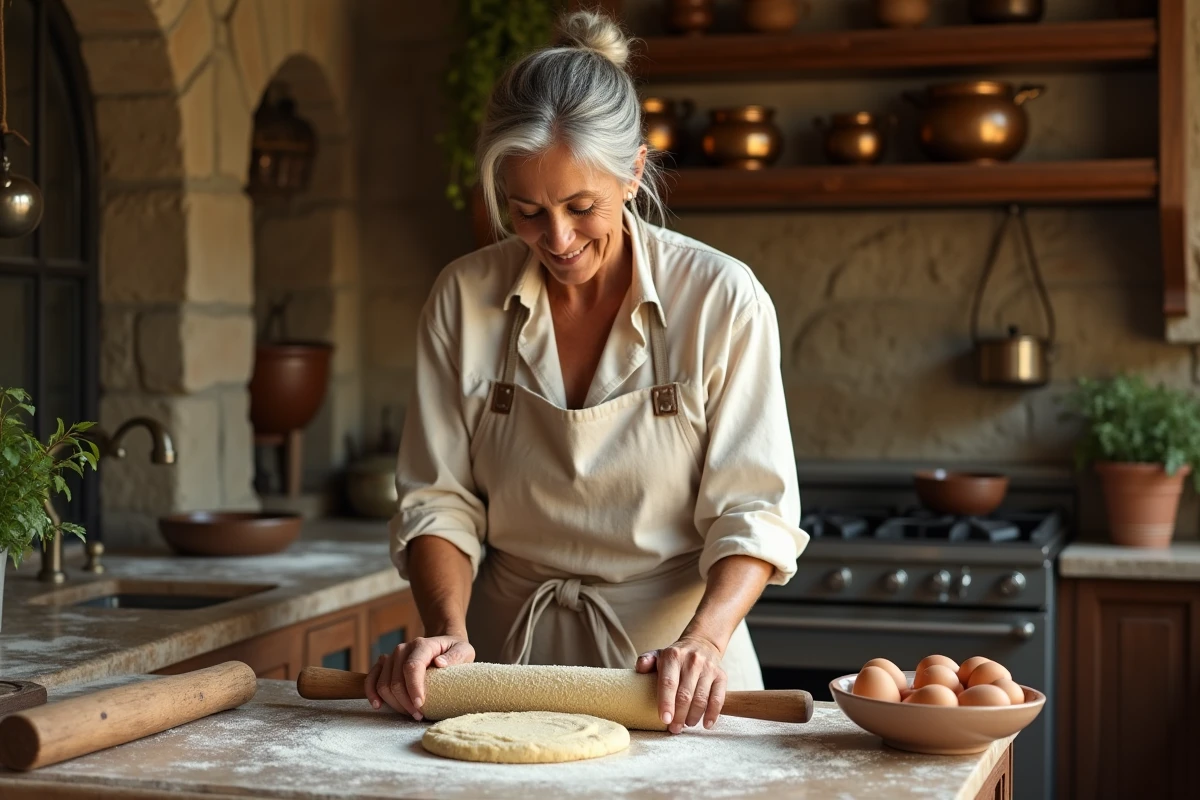
Italian cuisine is based on a precise technical principle: extracting the maximum flavor from a minimum of ingredients. Three to five components per dish, rarely more, each chosen for its intrinsic quality. This economy of means distinguishes authentic Italian recipes from their adapted versions, where the multiplication of additions (cream, spices, garnishes) often masks the poverty of the raw materials.
DOP and IGP Labels: What Guarantees an Authentic Italian Ingredient
Before discussing recipes, it is essential to understand what happens upstream of the pot. An Italian dish stands or falls based on the quality of its ingredients, and this quality has a legal framework.
DOP (Denominazione di Origine Protetta) and IGP (Indicazione Geografica Protetta) labels are not just simple marketing labels. They impose strict specifications regarding the place of production, processing methods, and traceability. Parmigiano Reggiano, Genovese basil, or mozzarella di bufala campana meet these standards.
A European directive from 2025 (Directive 2025/147) has strengthened this system by requiring blockchain traceability to combat counterfeiting, a massive problem in international markets.
In practice, this means that the piece of parmesan sold wrapped in cellophane at the supermarket does not necessarily have any connection to the Parmigiano Reggiano aged in the cellars of Emilia-Romagna. Checking for the DOP or IGP mention on the packaging remains the most reliable way to ensure that a product corresponds to what it claims to be. To delve deeper into this topic and find recipes that respect these fundamentals, lapetitecasserole.com offers detailed guides on ingredients and techniques.
Italian Cuisine from the North vs. the South: Two Approaches within the Same Tradition
Talking about “Italian cuisine” in the singular is misleading. The North and the South cook according to different logics, inherited from the climate, terrain, and agricultural history of each region.
Creamy Risottos and Butter in the North
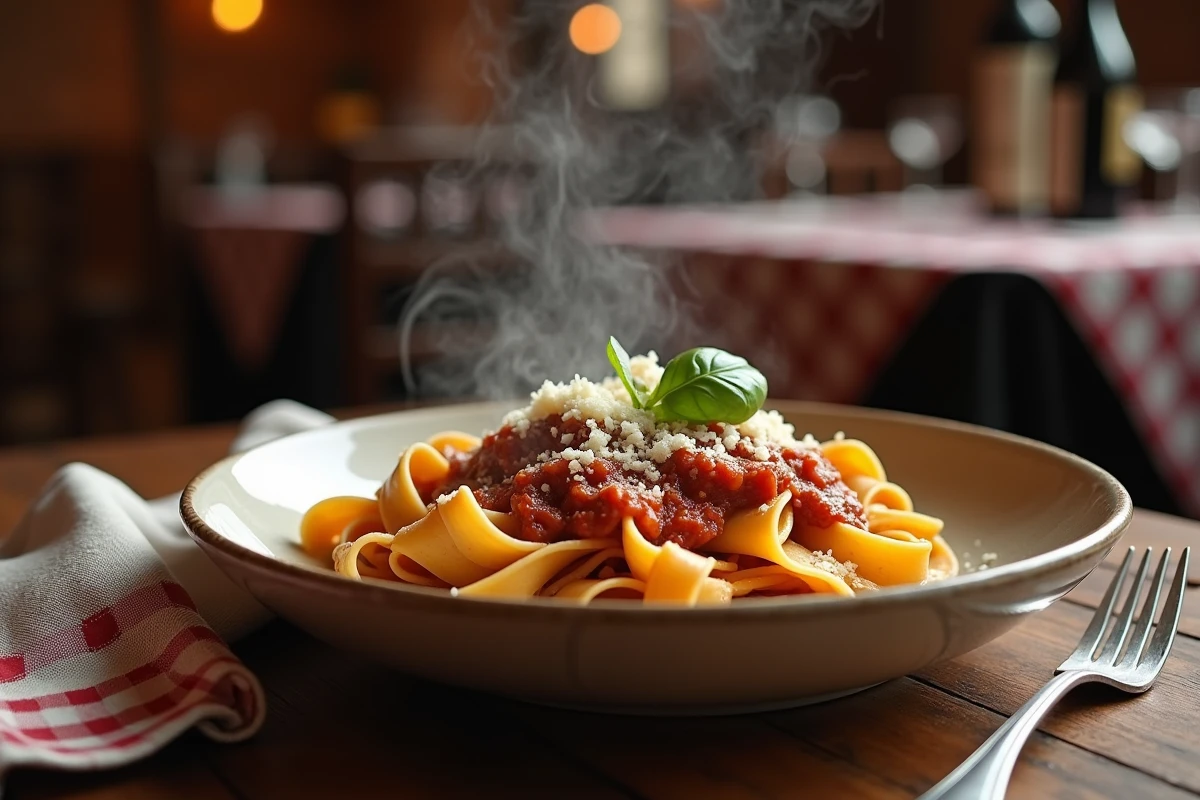
The Po Valley, with its rice fields and pastures, has produced a cuisine based on rice, butter, and hard cheeses. Risotto alla milanese, colored with saffron and finished with butter, illustrates this tradition. Fresh egg pasta (tagliatelle, tortellini) dominates, often served with long-simmered meat-based sauces.
Dry Pasta and Olive Oil in the South
The South works with olive oil, tomatoes, grilled vegetables, and dry pasta made from durum wheat semolina. The shapes (orecchiette, paccheri, rigatoni) are designed to hold lighter, often vegetable-based sauces. A study by the Culinary Academy of France published in April 2026 highlights a growing preference among Italian chefs in France for these simpler southern versions in everyday cooking.
This distinction has a direct impact in the kitchen: a risotto ruined by excess olive oil or orecchiette drowned in butter reveals a misunderstanding of the regional logic of the dish.
Three Italian Recipes to Master: Carbonara, Risotto, and Tiramisu
Rather than listing dozens of dishes, let’s focus on three recipes that cover three fundamental techniques and three moments of the meal.
Roman Carbonara: The No-Cook Sauce
Authentic carbonara contains neither cream nor bacon. It relies on four ingredients: guanciale, pecorino romano, eggs, and black pepper. The technique boils down to one action: creating an emulsion by mixing the hot pasta with the egg-cheese mixture off the heat. Too much heat and the eggs coagulate, too little and the sauce remains liquid.
- Guanciale (cured pork cheek) is cut into thick lardons and melted over medium heat without added fat until it is translucent and crispy around the edges.
- The egg-pecorino mixture is prepared separately, with one yolk per person and one whole egg for the whole, finely grated to melt without lumps.
- The pasta cooking water, rich in starch, serves as a binder: a ladle added gradually allows for adjusting the sauce’s texture.
Risotto: Cooking by Gradual Absorption
A risotto is built by adding hot broth ladle by ladle to rice (carnaroli or arborio) that has been previously sautéed in butter. Each addition of broth occurs only when the previous one has been absorbed. This patience, which takes about twenty minutes, releases the starch from the rice and creates the characteristic creamy texture. The final mantecatura (adding cold butter and parmesan off the heat) binds everything together.
Tiramisu: A Cold Assembly Without Cooking
Tiramisu relies on the balance between the bitterness of coffee, the sweetness of mascarpone, and the lightness of whipped eggs. The savoiardi biscuits are quickly soaked (one to two seconds in coffee, no more) to maintain their structure. An overly soaked tiramisu collapses when cut. Resting in the refrigerator for several hours allows the flavors to meld and the whole to firm up.
Italian Ingredients and Climate: Quality Under Pressure
The authenticity of a recipe also depends on what the land produces, and this parameter is evolving. According to a FAO report, Italian farmers are noticing a decline in the quality of San Marzano tomatoes linked to recurring droughts in recent years. This variety, grown on the slopes of Vesuvius, requires a precise water balance to develop its dense, low-acid flesh.
In response to this constraint, some producers are turning to more resilient local varieties while remaining within the framework of protected designations. For the cook, this means tasting canned tomatoes before using them and adjusting the seasoning accordingly, rather than blindly following a fixed recipe.
The trend towards vegetarian adaptations of traditional recipes accompanies this movement. Pasta alla norma without anchovies, for example, is gaining popularity, driven by the rise of flexitarian diets in Europe. Slow Food International has documented this increase in its report on Mediterranean culinary trends 2025-2026.
Italian cuisine has never been a fixed corpus. Recipes evolve with the climate, migrations, and the tastes of each generation. What remains constant is the method: few ingredients, well chosen, treated with precise technique. The rest is a matter of season and common sense.