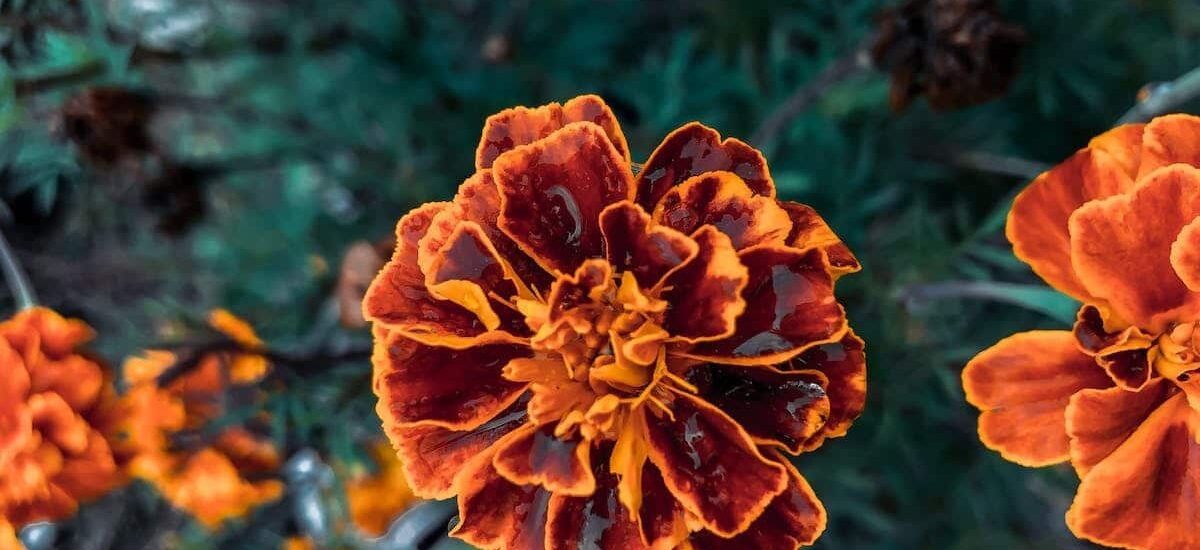
The year 2023 is on the horizon with its share of promises for nature and botany lovers. Among the projects many of them are considering is the cultivation of marigolds, a plant known for its beauty and usefulness in the garden. However, growing this plant requires a certain level of expertise that not everyone may have. This is why the need for a comprehensive guide to sowing marigolds in 2023 is felt. A manual that would provide practical advice and tips for successfully undertaking this endeavor.
Preparing the ground before sowing
The section ‘The choice of the right location‘ in our article ‘The complete guide to sowing marigolds in 2023’ is a crucial aspect of your project. It is not enough to simply know when to sow your marigolds; you also need to determine where to plant them.
Marigolds are annual plants that thrive in warm and temperate climates. They typically begin to bloom between June and the first frost. Thus, an important question arises: when to sow marigolds in 2023? Generally, you would want to start this process between April and May.
However, if you live in a region with a mild winter or if you wish to achieve an earlier bloom, this can be considered as early as March. However, be cautious of sudden temperature fluctuations during this period; it may be necessary to protect your young plants with a frost cover or even move your pots indoors at night.
On the other hand, for those residing in areas experiencing harsh winters and prolonged cool springs, it might be wise to delay the start of sowing until late May or early June to avoid any risk related to late frost.
When to sow marigolds in 2023 must therefore take into account not only the local climate but also the current state of the soil. Indeed, these plants require well-warmed soil before planting to ensure optimal growth. Once these conditions are met, as well as those regarding ‘when to sow marigolds in 2023’, proceed with planting directly in place, ensuring to maintain appropriate spacing between each seed.

Effective methods for sowing marigolds
In the previous section, we discussed the importance of choosing the right location for sowing your marigolds. Now, it is time to focus on the ideal conditions to ensure optimal growth of these colorful plants.
Fertilization is also an essential aspect of post-sowing care. Once your seedlings have developed a few true leaves, you can start applying a balanced fertilizer rich in nitrogen and potassium. This will promote vigorous growth and abundant blooming.
Watering is equally crucial to ensure the success of your marigold cultivation. Be sure to keep the soil consistently moist without over-saturating it. It is best to use a drip irrigation system or a watering can with a fine nozzle to avoid damaging the young plants.
Don’t hesitate to practice regular pinching on the main stems as soon as they reach about 10 cm in height. This technique will allow the marigolds to branch out more and thus offer an even more spectacular bloom.
Always keep a close eye on your plants to quickly detect any unwanted presence of insects or diseases. In case of a problem, prefer natural solutions such as plant-based decoctions…
By following these carefully provided tips, you will significantly increase your chances of success in cultivating marigolds. Take the opportunity to add a vibrant and warm touch to your garden while encouraging biodiversity with their flowers that attract butterflies and other pollinators.
Caring for your seedlings for beautiful blooms
In the previous section, we discussed the importance of choosing the right location for sowing your marigolds. Now, it is time to focus on the mistakes to avoid during the sowing process. Indeed, despite your gardening expertise and love for these colorful flowers, certain mistakes can compromise the success of your planting.
The first common mistake is over-sowing. It may be tempting to scatter a large number of seeds to maximize the chances of having a beautiful bloom. This often leads to excessive competition among the plants and depletion of the available resources in the soil. The ideal recommended density is about 10 to 15 cm between each plant.
Another frequent mistake is failing to properly prepare the soil before sowing. Marigolds prefer a well-drained and fertile substrate. So, be sure to carefully weed the chosen area and amend the soil with compost or any other suitable organic fertilizer. This will allow the young plants to get a good start by providing them with the essential nutrients they need to grow healthily.
Avoid exposing them to excessive heat in the summer. This could burn the sensitive leaves of the young plants. Remember that marigolds do not thrive in extreme heat. They do best with partial sun exposure and diffuse light. Choose a partially shaded location or set up protection against the harsh rays using shade cloth or other appropriate methods.
It is crucial not to neglect watering. Overwatering can lead to root rot, while insufficient watering can cause wilting and the development of diseases. Therefore, establish a regular watering schedule during the low season and adjust it during warmer periods when water needs increase. Check the soil before each irrigation to ensure it is slightly moist but not waterlogged.
By avoiding these common mistakes when sowing marigolds, you will increase your chances of success in your gardening endeavor. Remember that these brightly colored flowers not only bring beauty and vibrancy to your garden throughout the summer season but also attract essential pollinators such as butterflies and bees. Therefore, do not hesitate to put these wise tips into practice to avoid any unnecessary setbacks. Investing time and effort into your sowing will certainly yield rewarding results that you can enjoy for a long time.
Avoiding common mistakes when sowing marigolds
Now let’s move on to the next section of our complete guide to sowing marigolds in 2023: caring for the plants. Once you have successfully sown your seeds and the young plants begin to grow, you need to fertilize them. Marigolds require additional nutrients to maintain their vigor throughout the season. Use a balanced fertilizer rich in nitrogen, phosphorus, and potassium, which will promote healthy development of leaves, roots, and flowers. Apply this fertilizer according to the manufacturer’s recommendations to avoid any overdose that could be harmful to the seedlings.
When the plants reach a sufficient height, it may be necessary to provide physical support. The delicate stems of marigolds are sometimes prone to breaking due to wind or their own weight when the flowers are in full bloom. Use stakes or appropriate cages to support the plants and prevent any damage. Be sure to gently tie the stems without too much tightness to avoid hindering their growth.