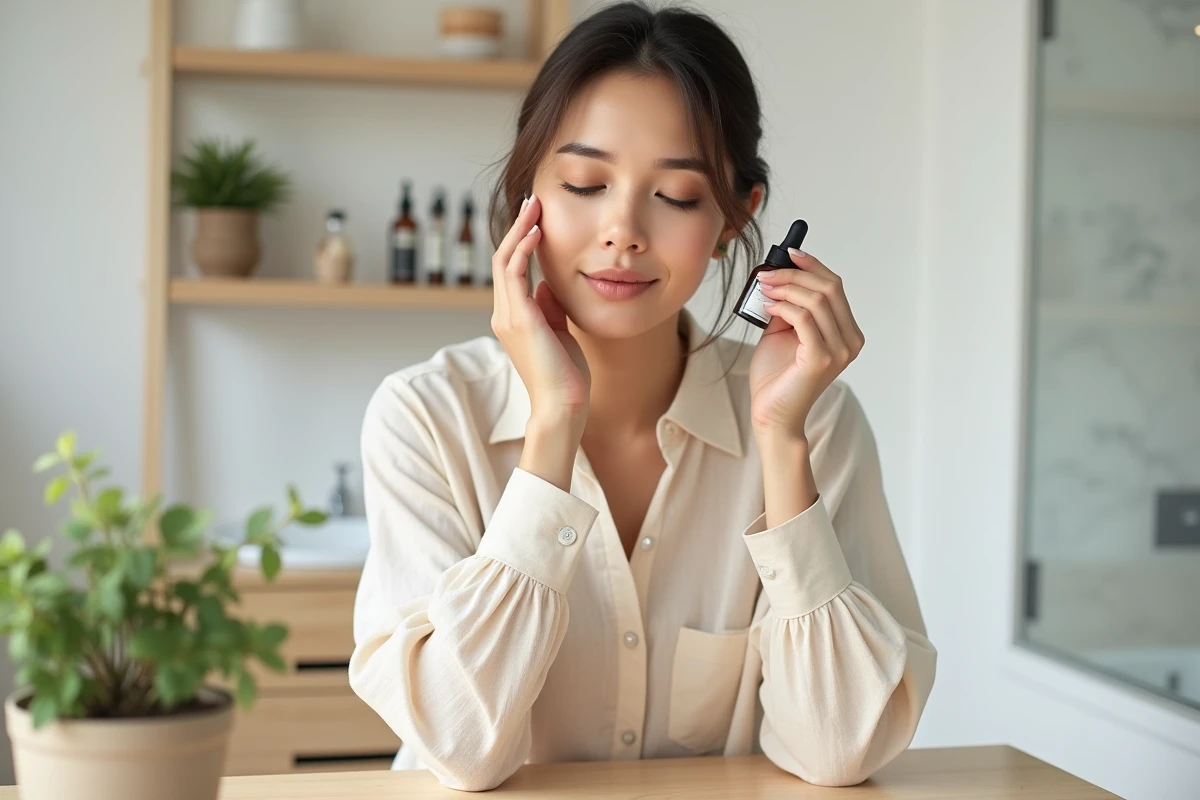
Taking care of oneself is not just about following the latest trend spotted on social media. For many active women, the difficulty lies in one specific point: sorting out what really works from what is merely marketing disguised as advice. Beauty, well-being, and daily lifestyle—these three words are everywhere, but putting them into practice requires a personal filter that no one else can apply for you.
Mental Load and Beauty: The Link That Traditional Routines Ignore
Have you ever noticed that a skincare routine applied on a quiet Sunday morning does not yield the same results as on a Tuesday evening after a hectic day? It’s not just an impression. Chronic stress alters sebum production, accelerates skin dehydration, and disrupts the cellular renewal cycle.
The usual reflex is to pile on products: serum, cream, mask, mist. Several women’s media today point in another direction: reduce the mental load associated with beauty rather than adding steps. In practical terms, this means limiting your routine to two or three mastered gestures suited to your skin type, instead of replicating a seven-step protocol seen online.
Cosmetic sobriety, a concept gaining ground, is based on a simple idea. Fewer products, better chosen, applied regularly. A gentle cleanser, a suitable moisturizer, daily sun protection. This trio covers the majority of skin needs without overloading either the budget or the mind.
Online resources structure these reflections around women’s daily lives, such as https://www.fimina-mag.fr/, which addresses beauty, well-being, and lifestyle from a perspective designed for modern women.

Responsible Beauty Consumption: Beyond the “Natural” Label
The word “natural” on a package guarantees nothing specific. No strict regulations govern this term alone in the cosmetics industry. A product can contain a tiny fraction of plant ingredient and legally be labeled “natural.”
Several specialized blogs, like Ellybeth, now present beauty as a lever for responsible consumption rather than just a tool for appearance. The difference is significant. Instead of recommending the latest trendy foundation, this content guides toward concrete criteria:
- The INCI list (International Nomenclature of Cosmetic Ingredients) that allows you to verify the actual composition, starting with the first five ingredients listed, those present in the largest quantities
- The choice of refillable formats or recyclable containers, which reduces waste without compromising the quality of the care
- The preference for brands that are transparent about their production chain, rather than those that multiply certifications without detailing their practices
Reading the INCI list before buying radically changes the quality of your routine. It’s a gesture that takes thirty seconds and avoids many disappointments.
Daily Well-Being: Replacing Passive Relaxation with Micro-Actions
The advice “take time for yourself” appears in every lifestyle article. It is true in essence, but rarely applicable as is when juggling work, family life, and household management.
Sleep and Real Recovery
Sleep remains the most underestimated pillar of women’s well-being. Not the raw duration, but the regularity. Going to bed and waking up at similar times each day, including weekends, stabilizes the circadian rhythm. Sleep regularity matters more than total duration.
A concrete gesture: set an alarm in the evening (not just in the morning) to signal the start of the disconnection phase. Putting the phone in another room removes the temptation of late-night scrolling, which measurably delays falling asleep.
Integrated Movement, Not Imposed Exercise
You don’t need a gym to move. Brisk walking during a commute, stretching between meetings, taking the stairs instead of the elevator. These micro-actions accumulated over a day produce physiological effects comparable to a structured session for sedentary individuals.
Integrating movement into daily gestures removes the barrier of “no time.” It’s a change in perspective, not in schedule.
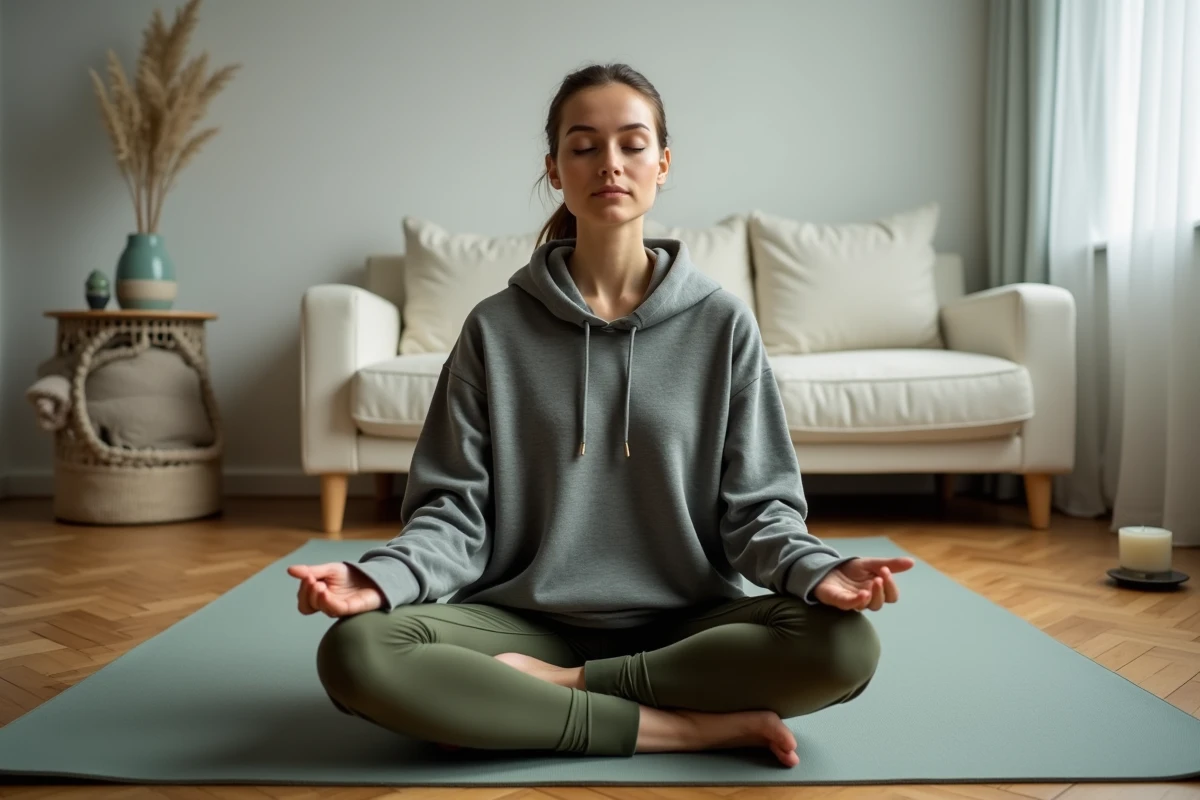
Women’s Lifestyle: Building Your Own Filter Against Content
Beauty and lifestyle content is multiplying across all platforms. Blogs, online magazines, short videos, podcasts. This abundance creates a paradox: the more advice you consume, the harder it becomes to choose what resonates with you.
Some media adopt a structured curation logic, with thematic files linked together, rather than isolated tips. This approach helps to understand the connections between diet, skincare, stress management, and self-esteem, instead of treating each topic in isolation.
To build your own framework for interpreting this mass of information, three simple criteria work:
- Does the content cite its sources or does it just make claims? An article that explains why a particular active ingredient works on the skin is worth more than a list of “favorite” products
- Is the advice offered applicable without additional purchases? The best lifestyle recommendations often focus on habits, not on objects
- Content that makes you feel guilty does not help you, even if it is well-written. Well-being also involves filtering what you read
Beauty, well-being, and daily lifestyle do not form three separate categories. Regular sleep improves skin. A varied diet reduces stress. Fewer products in the bathroom frees up mental space. Once these connections are identified, isolated gestures transform into a coherent system, adapted to your rhythm and real constraints.