
A red warning light that comes on while driving requires an immediate stop, while an orange signal sometimes allows you to continue driving until a check. Some icons only appear in case of minor electronic faults, while others indicate a serious mechanical risk. However, similar indicators can reveal very different emergencies depending on their color or flashing.
The Peugeot 208 models incorporate alerts specific to their technology, such as the AdBlue indicator or the emergency automatic braking light. A precise understanding of each signal is crucial for the safety and maintenance of the vehicle.
What are the dashboard lights really for on your Peugeot 208?
The dashboard of the Peugeot 208 does not just display a few light icons. It deploys a visual language where each light, through its color and symbol, conveys an indication about the vehicle’s status. From low beams to mechanical alerts, everything goes through this play of signals. The color codes play a central role: red to signal an immediate danger, orange to draw attention to an incident or maintenance to be scheduled, green and blue to indicate the activation of useful functions.
Here’s how to read these different colors:
- Green and blue lights: they confirm the operation of lights, the cruise control, or certain driving assistance features. Their presence is reassuring and does not require any immediate action.
- Red lights: here, tolerance does not exist. A red alert requires an immediate stop: low oil pressure, engine overheating, major braking system fault… The message is clear and non-negotiable.
- Orange lights: these signals warn of an anomaly related to electronics, emissions, or maintenance to be performed. They call for vigilance and a quick visit to a specialist, without absolute urgency but without delay.
The meaning of the Peugeot 208 dashboard lights is not just a simple intuition. The user manual explains each symbol, and the maintenance booklet reminds you of deadlines to be respected. These resources complement everyday vigilance: each alert must be interpreted objectively, never taken lightly or considered optional. On the Peugeot 208, the configuration of the dashboard places prevention at the center of driving.
Red and orange lights: distinguish urgency and know how to react safely
On the dashboard of the Peugeot 208, red and orange lights require unwavering attention. As soon as a red light comes on, the course of action is unambiguous: stop immediately. This type of signal leaves no room for hesitation: engine overheating, loss of oil pressure, major braking system fault, or failing battery, each scenario poses a direct risk to safety or mechanical integrity. For example, if the coolant temperature rises and the red light activates, turn off the ignition and call a professional. Continuing to drive with insufficient oil pressure exposes the engine to irreparable damage.
With an orange light, the severity of the signal is nuanced. These indicators generally announce an anomaly that requires checking, without vital urgency: engine problem (check engine), pollution issue, low tire pressure (TPMS), clogged particulate filter, or low AdBlue level on diesel versions. The “service” light, often accompanied by a message, reminds you to make an appointment without delay, but without stopping immediately. A visit to a qualified mechanic will allow the alert to be addressed appropriately.
To avoid any confusion between immediate urgency and simple alert, keep this rule in mind:
- Red: stop without delay, contact assistance if necessary.
- Orange: organize a quick check with a professional while continuing your journey cautiously.
This well-defined color code makes all the difference. It guides the driver towards the correct reaction, whether to protect the mechanics or ensure the safety of passengers. Reading and understanding these signals is already taking care of your vehicle and those accompanying it.
Concrete solutions for each alert: the right actions to take according to the type of light
The lights on the dashboard of a Peugeot 208 tolerate neither improvisation nor hesitation. A red light that comes on? Park quickly, turn off the engine, and ensure everyone’s safety. This immediate reaction limits the risk of mechanical failure or serious accident. Call for assistance: resuming driving without a diagnosis exposes you to serious consequences.
When an orange light appears, it’s time to act methodically. Plan a visit to the mechanic as soon as possible. An electronic diagnosis via an OBD-II scanner will precisely identify the problem: engine fault, faulty sensor, clogged particulate filter, or low AdBlue level. Note if the vehicle shows any unusual signs (loss of power, abnormal noises) and make an appointment for a check. Most of the time, targeted maintenance or a minor repair will suffice to clear the alert.
As for green and blue lights, they do not require any urgent intervention. Their function is limited to confirming the activation of an option, such as lights or cruise control.
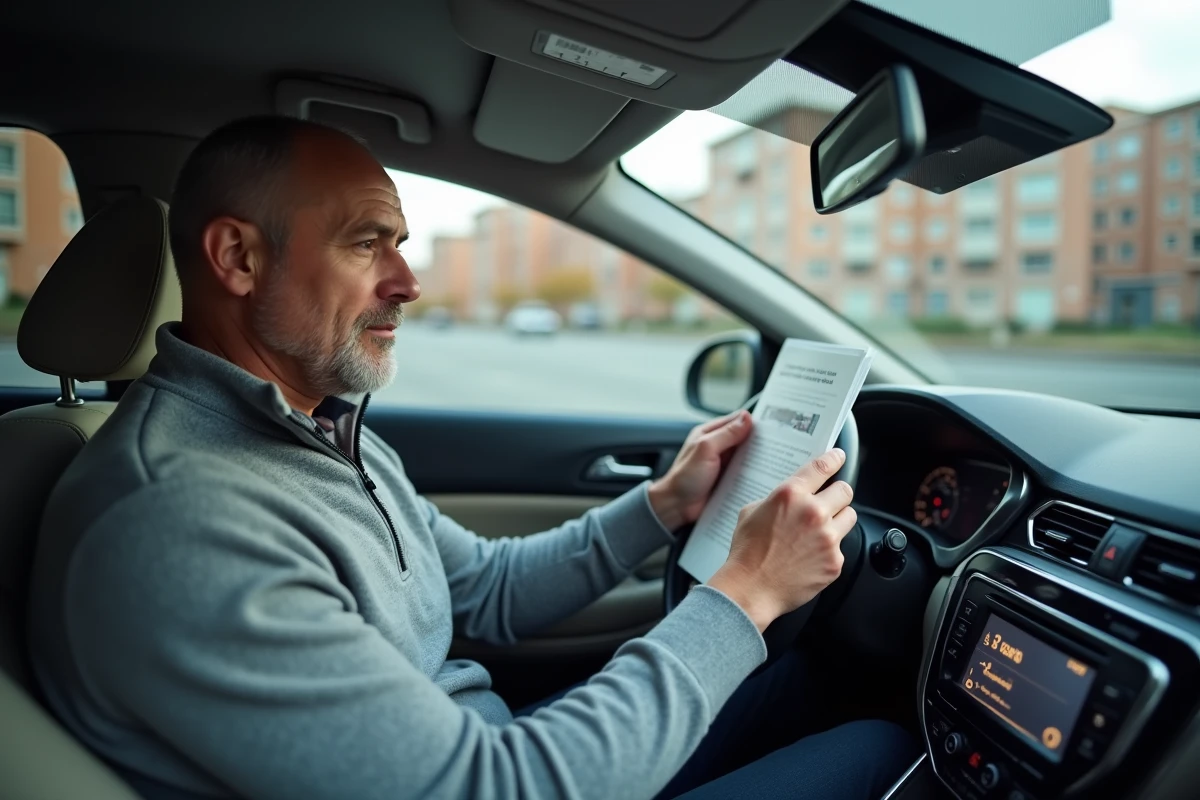
Getting into the habit of consulting the user manual helps eliminate any doubt about the meaning of a light. The maintenance booklet will help you anticipate deadlines and keep your Peugeot 208 in optimal condition. Regular oil changes, level checks, sensor inspections: all actions that prevent unpleasant surprises and prolong your car’s reliability.
On the road, each light tells a precise story: that of safety, mechanics, and vigilance. The Peugeot 208 never sends signals at random. It’s up to each driver to listen to them to drive with peace of mind or to stop in time.